Business educators
They need to explain a process, lesson, or product update without losing their place while speaking.
A prepared script helps them deliver a focused recording with fewer pauses and retakes.
real estate video marketingBigvu explained
what is bigvu app? It is a video creation tool built around reading a script while recording, then shaping that recording into a clearer piece of content. This overview explains the workflow without assuming prior experience.
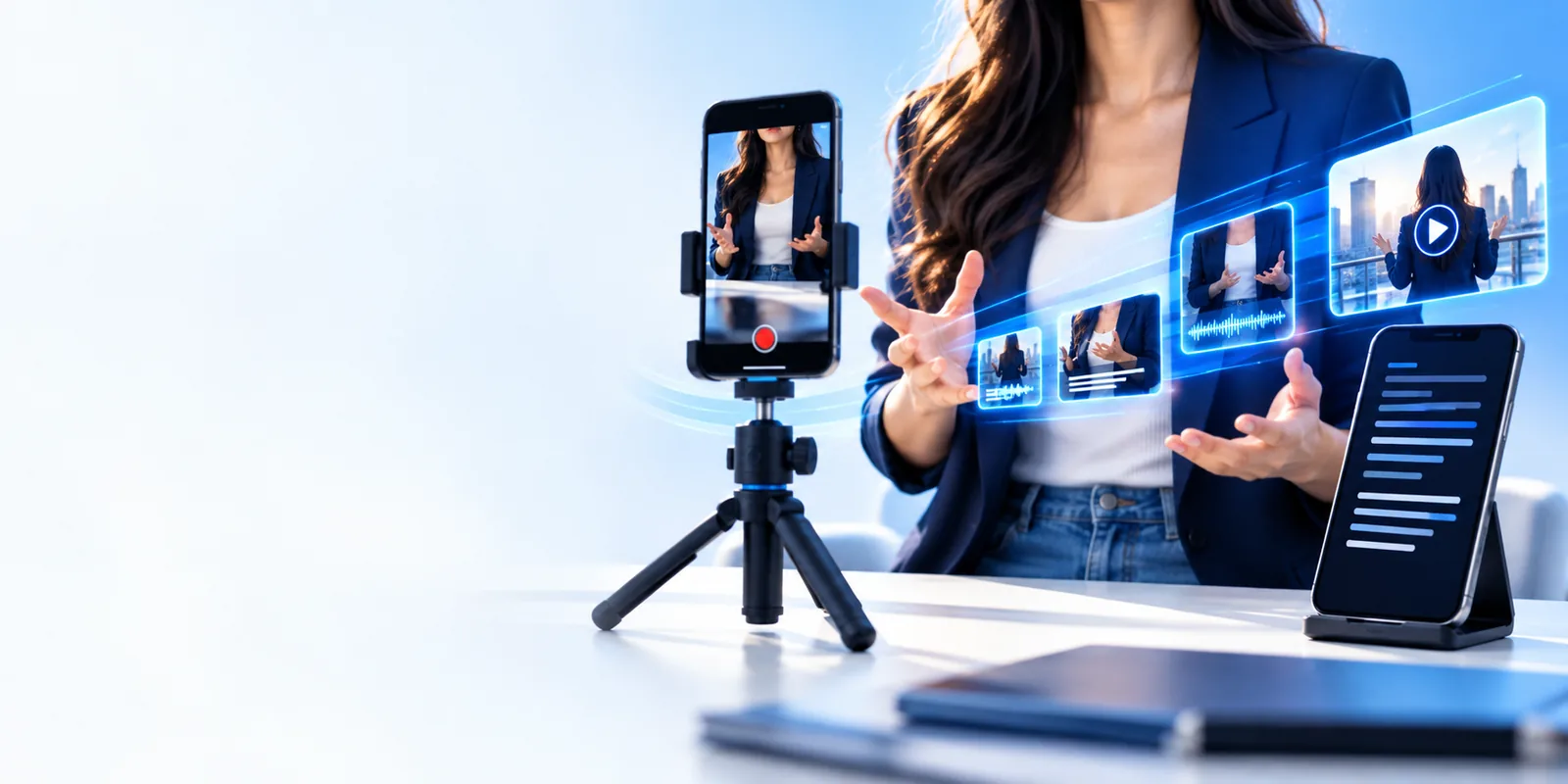
These related guides add practical context around the app, its surfaces, and the questions people ask before trying it.
See how the browser-based teleprompter approach supports script-led recording.
Follow a beginner-friendly path from preparing a script to recording a first video.
Review the main trust and safety questions people raise when considering the app.
Bigvu is most useful when the message matters but speaking naturally on camera is difficult. Different users apply the same script-first workflow to different communication jobs.
They need to explain a process, lesson, or product update without losing their place while speaking.
A prepared script helps them deliver a focused recording with fewer pauses and retakes.
real estate video marketingThey want to present listings, neighborhood notes, or client updates directly to camera.
A teleprompter-led take can make recurring property content easier to plan and record.
bigvu online teleprompterThey create short announcements, social posts, or internal updates with a consistent message.
Scripted recording gives each speaker a repeatable starting point before editing and publishing.
bigvu vs capcutThey know what they want to say but feel uncertain about eye contact, pacing, or remembering lines.
Reading a visible script lowers the memory burden so they can concentrate on delivery.
bigvu teleprompter freeThe central idea is straightforward: prepare the words, record while reading them, then refine the result for the intended audience.
Start with a script or outline that matches the length and purpose of the video. Short paragraphs and clear transitions are easier to follow while recording.
Use the teleprompter-style reading flow to keep the message in view while speaking to the camera. Adjust your pace rather than trying to memorize every line.
Watch the recording for clarity, pacing, and distracting pauses. Keep the useful sections and make any final changes needed for the channel or audience.
A realistic view of the app makes it easier to decide whether it fits your recording process. It helps with delivery, but it does not remove every production decision.
A teleprompter can display words, but it cannot decide what your audience needs to hear or organize a confusing idea.
WorkaroundWrite one main point first, then arrange supporting details around it before recording.
Reading every line too rigidly may make a video sound flat, even when the words are correct.
WorkaroundUse conversational phrasing, pause at natural points, and look toward the lens instead of only tracking the text.
A good recording may still need review, trimming, branding, captions, or channel-specific adjustments.
WorkaroundTreat the first take as a strong source recording and reserve time for a deliberate final edit.
The difference is less about replacing the speaker and more about giving the speaker a repeatable structure for delivery.
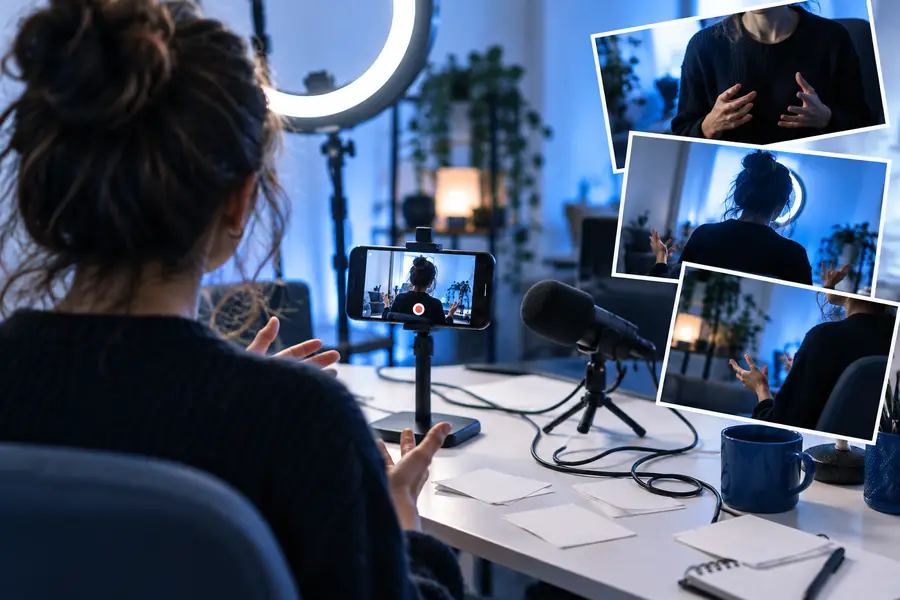
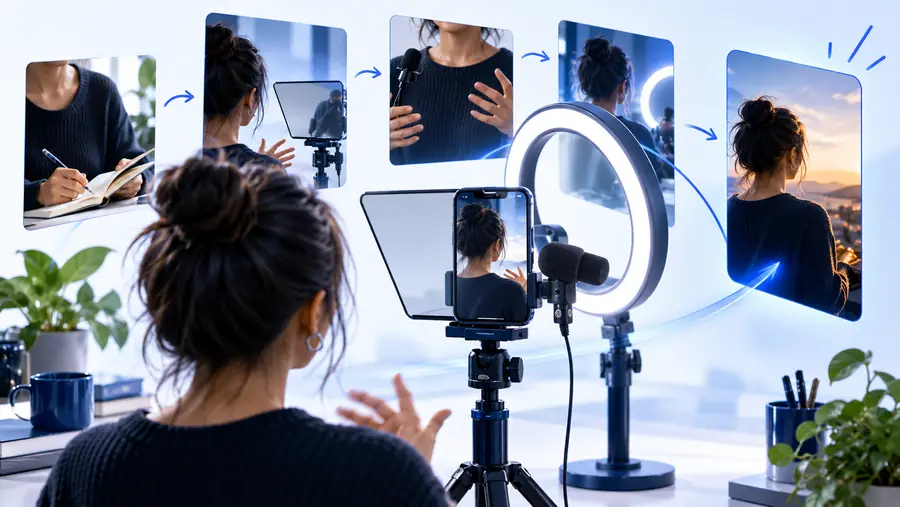
A script improves consistency, but review still matters.
The app and a manual setup can both produce a video. The practical difference is where the work happens and how much structure the speaker has during recording.
Bigvu app
The message can remain available while the speaker records.
Manual workflow
The speaker may need printed notes, a second screen, or memorization.
Bigvu app
Designed around speaking to the camera while following prepared text.
Manual workflow
The speaker divides attention between delivery, notes, and recording controls.
Bigvu app
Still requires the user to write, review, and organize the message.
Manual workflow
The user also owns the full planning process.
Bigvu app
Supports consistent pacing and fewer forgotten lines.
Manual workflow
Offers more freedom, but delivery can vary from take to take.
Bigvu app
A strong take may still need trimming, captions, or visual cleanup.
Manual workflow
The same post-recording work remains necessary.
Bigvu app
People who want structured, repeatable talking-head recording.
Manual workflow
People who prefer flexible setups and already have a comfortable process.
If your main obstacle is remembering what to say while looking at the camera, a script-first video workflow can give you a more dependable starting point. Use the app as support for preparation and delivery, then keep your own judgment in the final edit.
Here are concise answers to the question behind this page and the related decisions people usually make next.
The BIGVU app is a video creation tool centered on script-led recording. It helps users read prepared words while speaking to camera, then review and shape the resulting video.
It supports a workflow in which you prepare a message, keep the script visible during recording, and review the take afterward. Its main value is helping speakers stay organized and consistent on camera.
The teleprompter is the clearest part of the workflow, but the broader use is creating more structured video content around that recording process. The exact result still depends on your script, delivery, and editing choices.
It can suit educators, marketers, property professionals, teams, and new creators who want help delivering prepared messages on camera. It is especially relevant when forgetting lines or losing focus makes recording difficult.